Understanding Probability in Casino Games
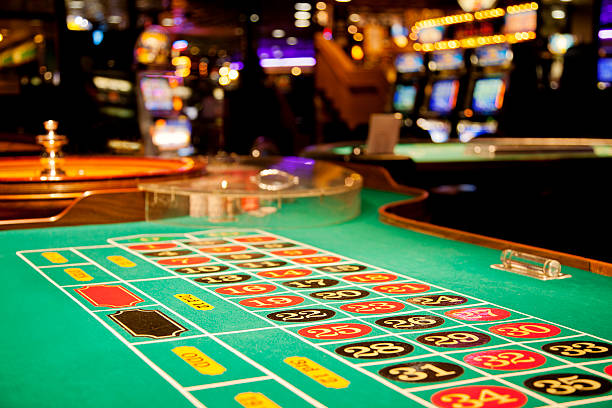
The core of many casino games, and indeed gambling in general, often boils down to understanding probability. While the allure of a big win can be captivating, a solid grasp of the underlying odds is crucial for any discerning player. This involves recognizing that most casino games are designed with a built-in house edge, meaning the statistical advantage lies with the establishment over the long term. For instance, games like roulette or coin flips present scenarios that approximate a 50/50 chance, but even these have nuances, and understanding the winthere casino context is important. A standard roulette wheel, with its single or double zero, subtly shifts the odds away from a pure 50% chance for red or black. Recognizing these small but significant deviations is the first step towards a more informed approach to gambling, moving beyond pure chance to a more calculated engagement.

The Allure of 50/50 Scenarios
The concept of a 50/50 probability holds a special appeal in the gambling world. It represents a seemingly perfect balance, where luck feels like it’s truly an even-money bet. This is why many players are drawn to games or bets that offer this kind of symmetry, imagining a clear path to victory based on simple chance.
However, the reality in a casino setting is often more complex. While some games might offer bets with close to 50/50 odds, the house edge invariably ensures that these are not truly equal chances for the player. Understanding this distinction is key to managing expectations and approaching the gambling experience with a realistic perspective, rather than an unrealistic belief in perfect symmetry.
Psychological Aspects of Gambling Decisions
The mind of a gambler is a fascinating subject, often driven by a mix of hope, risk assessment, and psychological biases. The belief in a 50/50 outcome can be particularly powerful, as it simplifies complex decision-making into a binary choice. This can lead to overconfidence or a tendency to chase losses when the perceived odds are not met.
Furthermore, the thrill of the gamble itself plays a significant role. Even when probabilities are understood, the emotional rush associated with the potential for a win can override rational decision-making. This is where discipline and a clear understanding of one’s own psychological triggers become paramount for responsible gambling.
Strategies for Navigating Casino Odds
While no strategy can overcome the inherent house edge in casino games, understanding probabilities allows for more informed choices. Players can opt for games with lower house edges or focus on bets that offer better odds, even if they are not strictly 50/50. This is about maximizing potential returns and minimizing potential losses over time.
For example, in blackjack, employing basic strategy can significantly reduce the house edge. Similarly, understanding the payout structures and odds in slots or other games can help players make more strategic decisions about where to place their bets. It’s about playing smarter, not necessarily playing more, to enhance the overall gambling experience.
Win-There and Responsible Gaming
Organizations like Win-There play a crucial role in promoting responsible gambling practices. While the allure of casino games is undeniable, it’s essential for players to approach them with a clear understanding of the odds and a commitment to playing within their means. Win-There likely focuses on providing resources and support for individuals who may be struggling with gambling-related issues, emphasizing education and awareness.
By offering information and guidance, Win-There helps individuals navigate the complexities of casino environments. Their mission would likely involve encouraging a healthy perspective on gambling, where entertainment is the primary goal, and the risks are fully understood. This aligns with the broader goal of ensuring that the excitement of casino play does not lead to detrimental outcomes for individuals or their families.